Tanzania rewards travellers all year, but each month reads differently. This is the plain version of what to expect, month by month, for safari, for Kilimanjaro and for the coast.
January and February
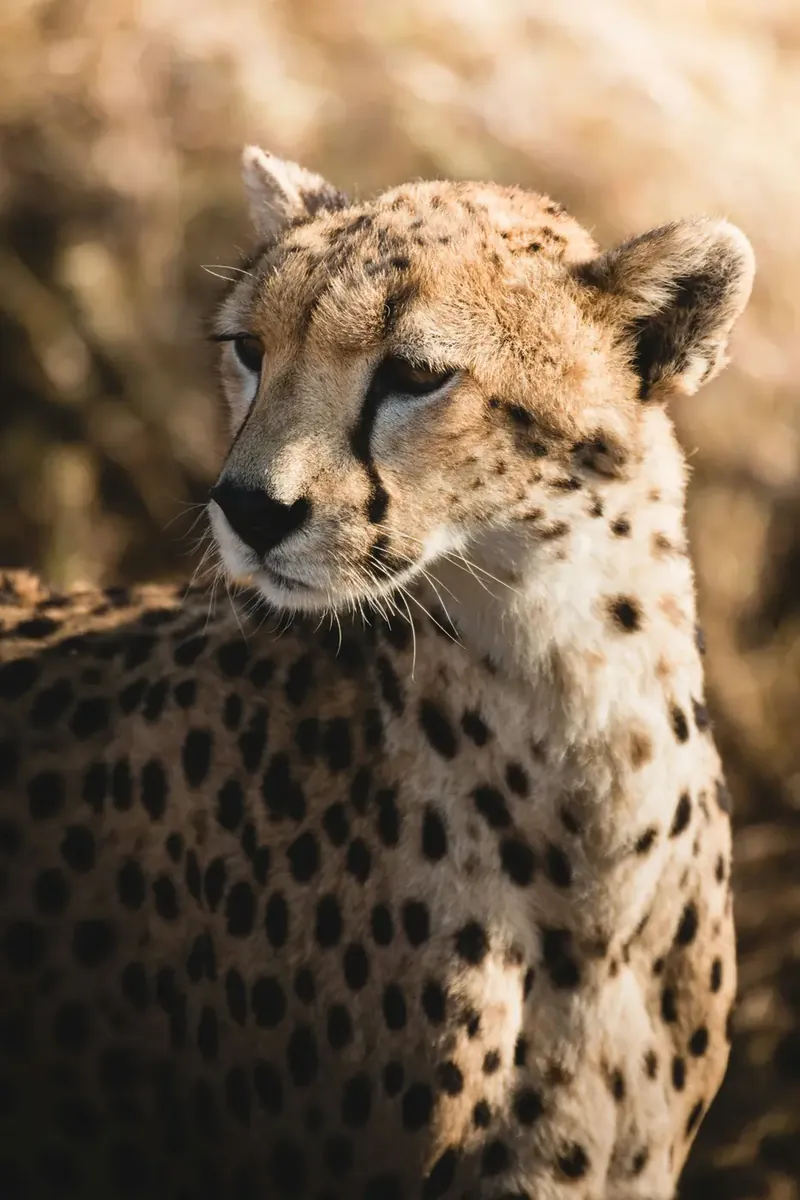
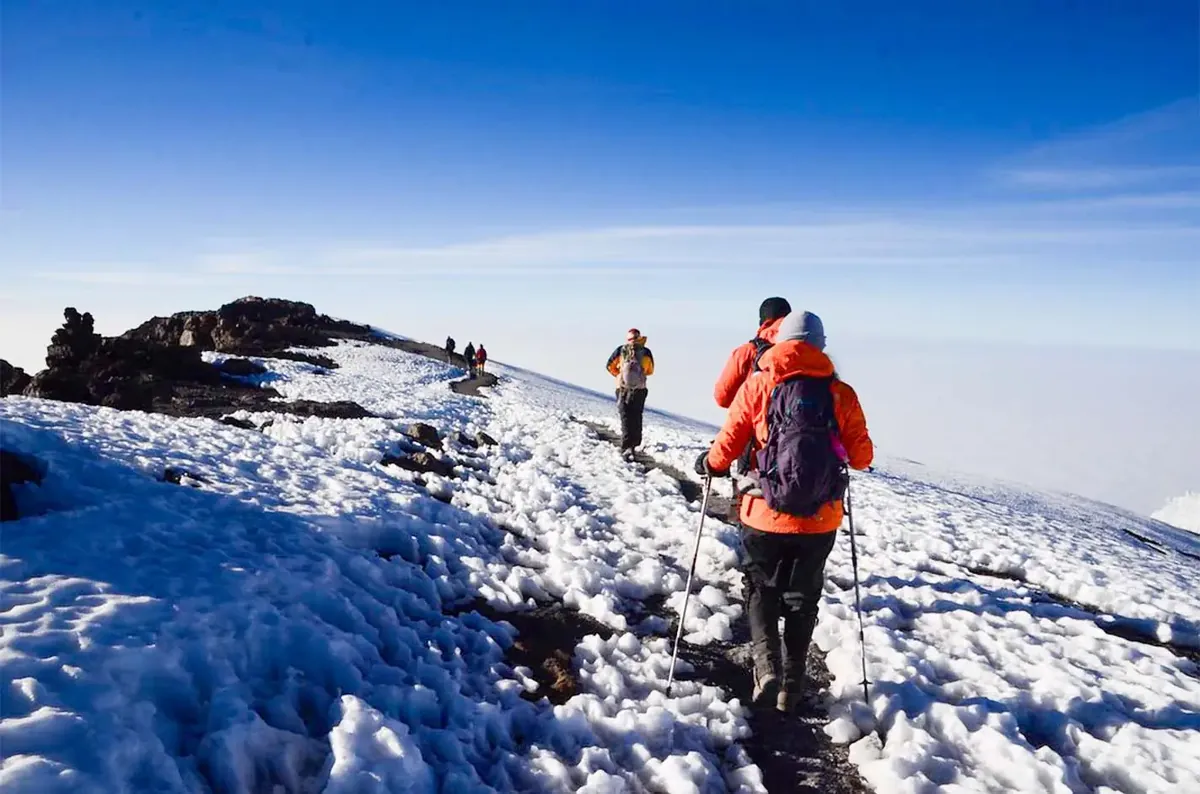
Hot, bright and mostly dry between the two rainy periods. The southern Serengeti and Ndutu hold the calving herds, so predator action is at its most concentrated of the year. Kilimanjaro climbing conditions are among the best, and Zanzibar is calm and warm for diving.
March
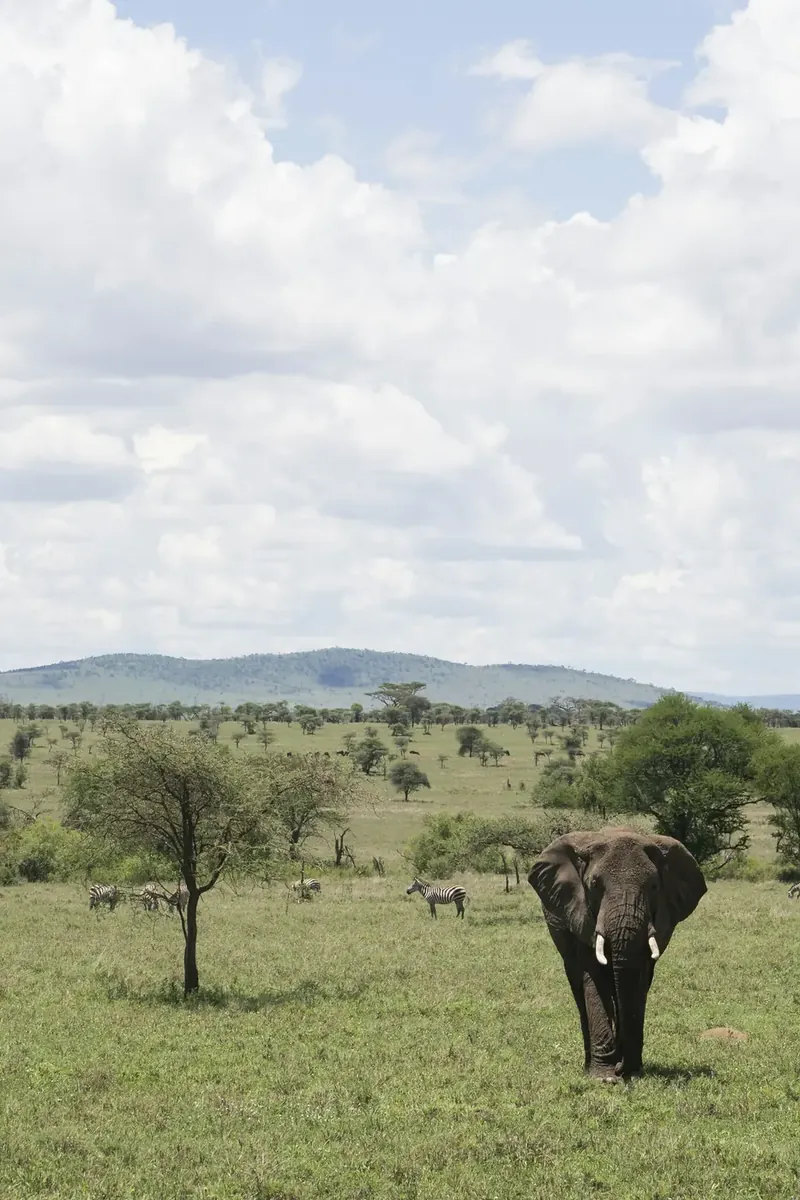
The first half continues the dry spell; the long rains usually build in the second half. Parks are quiet and rates soften, and photographers get dramatic skies over green plains.
April and May
The wettest stretch. Some seasonal camps close, some tracks turn soft, and the landscape is at its most beautiful. If you do not mind rain and you want the parks nearly to yourself, this is the value window.
June to October: the classic safari season
Cool mornings, dry days, short grass and animals concentrated near water — the most reliable game viewing of the year. The Serengeti holds the northern herds, and the Mara River crossings typically fall between July and September. This is also the busiest period, so lodges, crater permits and the better camps need booking months ahead.
November and early December
The short rains arrive as brief afternoon showers. Tarangire and Lake Manyara are excellent, the parks are quiet again, and prices sit below the peak until the festive weeks.
Choosing by what matters to you
- Great Migration river crossings: July to September, northern Serengeti
- Calving and predator action: late January to March, Ndutu
- Kilimanjaro: January to mid-March and June to October
- Zanzibar: June to October dry and breezy; January to February hot and calm
- Value and solitude: April, May and early November
Tell us the month you can travel and we will build the route around it — which parks, in which order, and where to spend the extra night.