“More than just a junction—it’s an adventure.”
For years, travelers have driven past Makuyuni on their way to the Serengeti, unknowingly passing one of Tanzania’s newest and most intimate wildlife sanctuaries. Nestled in the vital corridor between Tarangire and Lake Manyara, Makuyuni Wildlife Park is a quiet haven of 49 square kilometers where the crowds disappear, and nature takes center stage.
This is one of the few places in the north where you can truly stretch your legs. Unlike the “stay-in-the-car” rules of the major parks, Makuyuni invites you to step out. Whether you are hiking up Kipara Hill for a panoramic sunset, tracking giraffes on foot, or embarking on a thrilling night game drive to spot the elusive aardvark, Makuyuni offers the freedom that the big parks cannot.
Walking Safaris: Experience the African bush exactly as the explorers did—on foot. With no heavy predator density like the Serengeti, this is one of the safest and most scenic places to walk alongside zebras and antelopes.
Night Game Drives: When the sun sets, a different world wakes up. Armed with spotlights, discover the nocturnal creatures usually missed on standard safaris: porcupines, genets, bat-eared foxes, and even leopards.
Kipara Hill Hike: A rewarding hike to the top of Kipara Hill offers a 360-degree view of the Maasai Steppe, Mount Meru, and the distant rift valley escarpment. A perfect spot for a sundowner.
The Fringed-Eared Oryx: Makuyuni is one of the best places to spot this rare, striking antelope with its long straight horns and mask-like face, often found in the drier acacia woodlands.
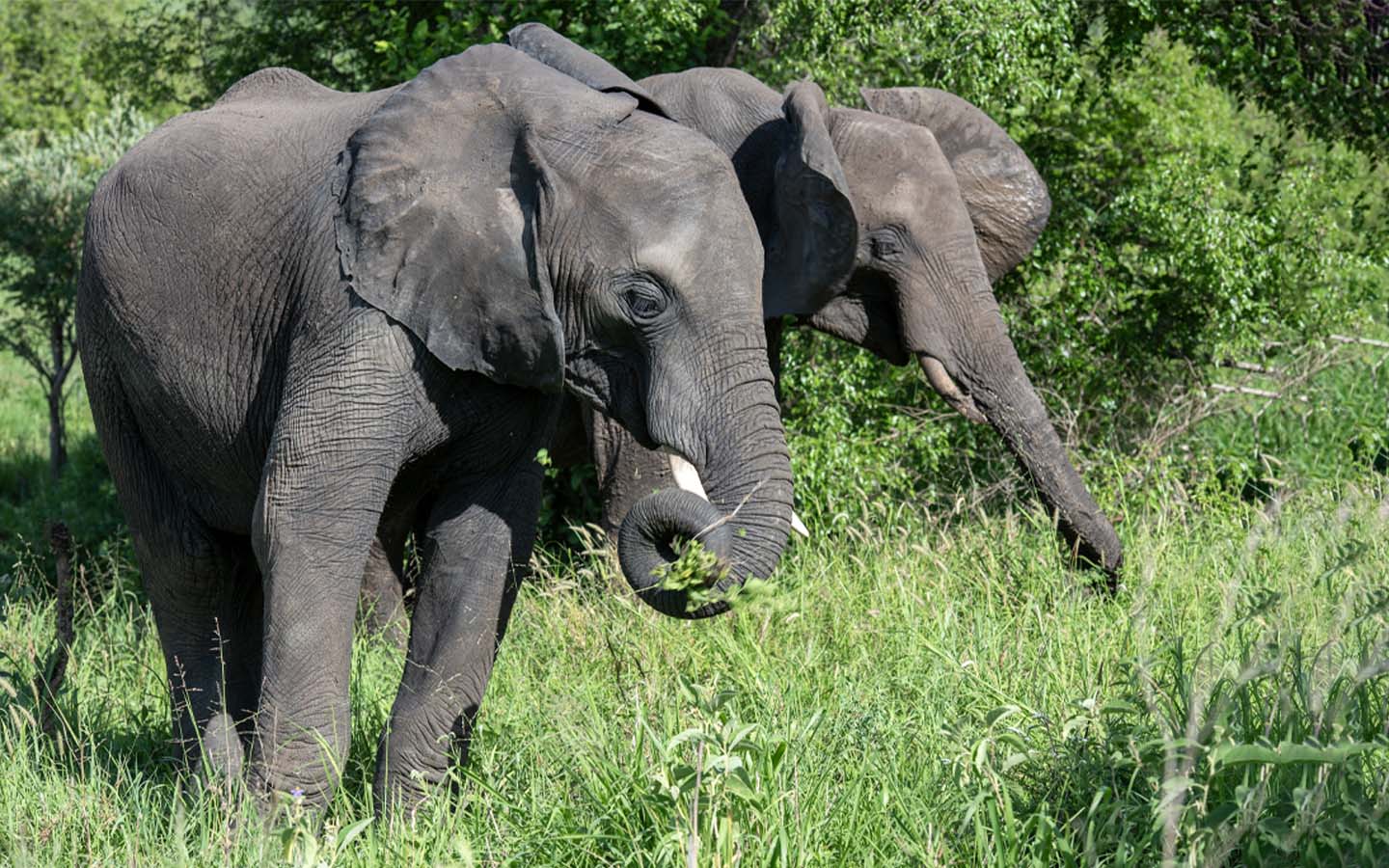
Makuyuni is not an island; it is a highway. It sits directly on the migratory corridor used by elephants moving between Tarangire National Park and the Manyara ecosystem. This means that despite its small size, you can often encounter unexpected herds of gentle giants moving through the park, especially during the dry season when they search for water. It is conservation in action.
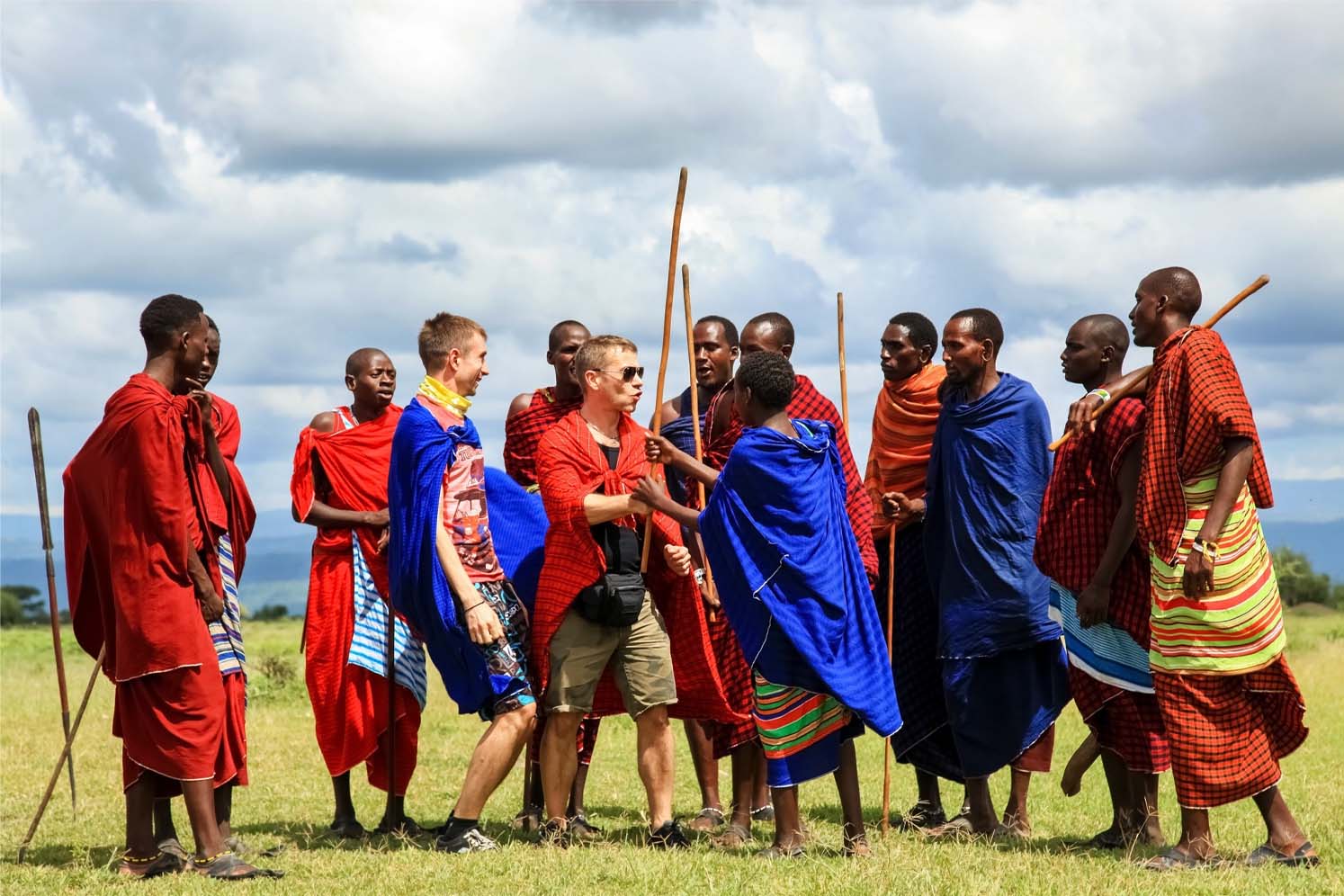
Makuyuni is the heartland of the Maasai people. Unlike the staged “tourist bomas” often found near the main gates of Ngorongoro, the cultural experiences here are deeply authentic. You can visit local markets, learn about traditional medicine, and even participate in beadwork classes with the local women’s groups. It is a cultural exchange that feels respectful and real.