“The scent of cloves, the sound of the dhows, and the turquoise sea.”
After the adrenaline of the Serengeti and the dust of the crater, Zanzibar is the exhale. It is a tropical paradise where time seems to slow down. Just 35 kilometers off the coast of Tanzania, this archipelago is a melting pot of African, Arab, Indian, and European influences.
Whether you want to get lost in the winding, ancient alleys of Stone Town, swim with dolphins at sunrise, or simply do nothing but watch the dhows sail past from your hammock, Zanzibar offers a sensory experience unlike anywhere else on earth. It is the perfect ending to your African adventure.
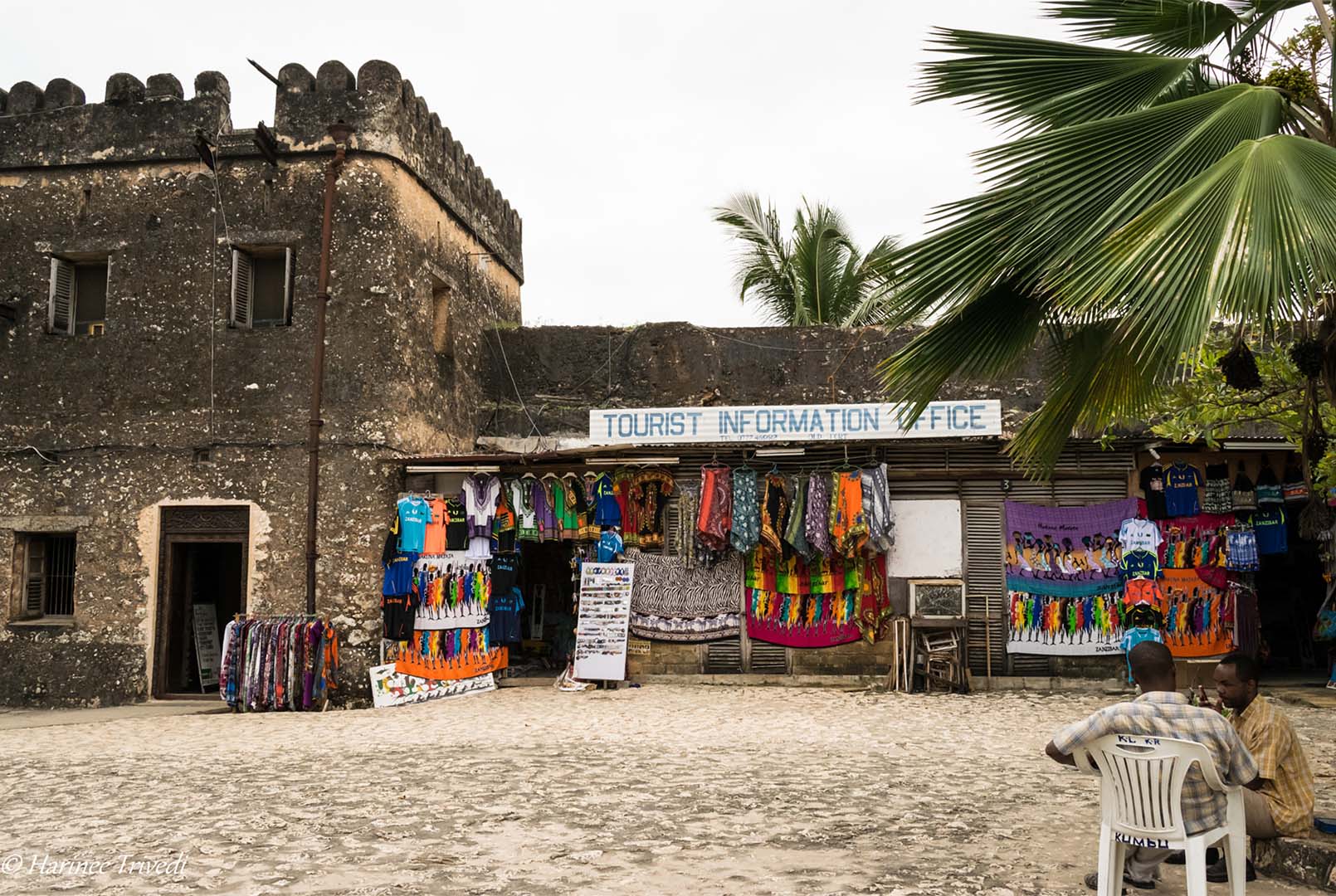
Stone Town: A UNESCO World Heritage site. Wander through a maze of narrow alleys, ancient coral-stone buildings, and intricately carved wooden doors that tell the history of the spice trade.
Nungwi & Kendwa: Located in the north, these are the most famous beaches. Unlike the east coast, the tides here are gentle, allowing for swimming in crystal-clear water all day long.
The Spice Farms: Discover why it’s called the “Spice Island.” Smell and taste fresh cloves, nutmeg, cinnamon, and vanilla right from the tree on a guided sensory tour.
Jozani Forest: The last indigenous forest on the island and the only place in the world where you can see the rare, endemic Red Colobus Monkeys.
Zanzibar isn’t just about the beach; it’s about the ocean. Board a traditional wooden Dhow for a full day of sailing. You can snorkel at the Mnemba Atoll marine reserve—often compared to an underwater aquarium—and enjoy a seafood BBQ of fresh lobster and calamari on a disappearing sandbank in the middle of the Indian Ocean.
As you walk through Stone Town, look at the doors. They are the city’s signature. The heavy, studded doors are Indian in influence (the studs were originally to stop war elephants battering them down!), while the rectangular, intricately carved frames are Omani Arab. Each door tells a story of the family’s wealth, status, and origins, preserving the island’s rich but sometimes dark history as a trading hub.