They are often presented as alternatives. They are not: one is a vast ecosystem you travel through, the other is a single, extraordinary bowl you descend into for a day.
Serengeti National Park
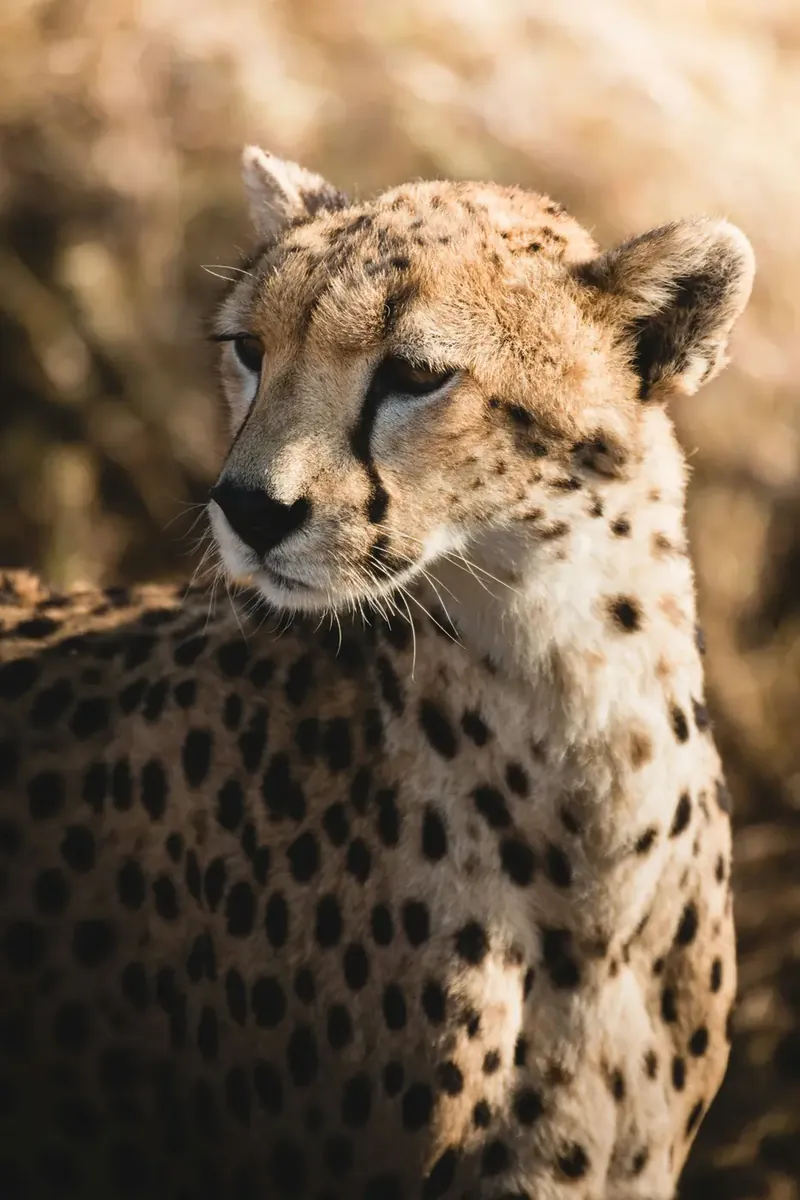
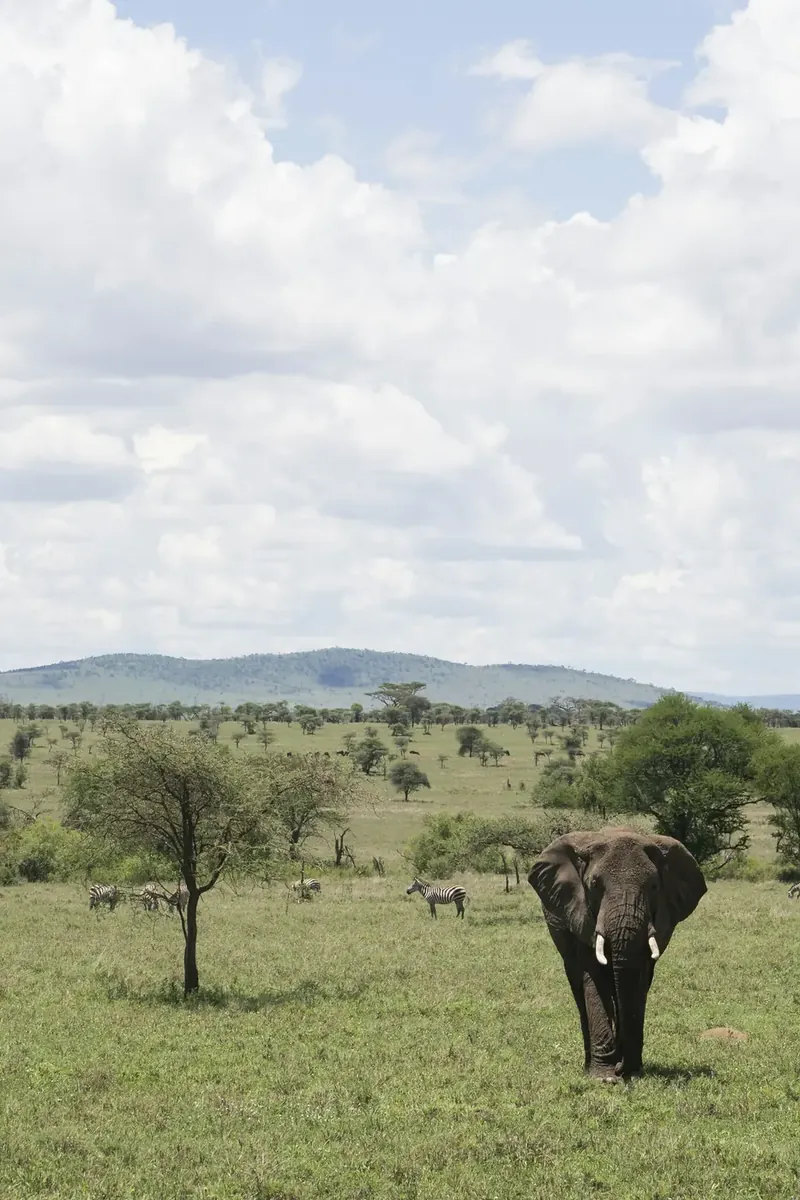
Enormous, varied and endlessly rewarding — plains, kopjes, rivers and woodland, with sectors that suit different months. Cheetah on the short-grass plains, lion prides on the kopjes, leopard along the river lines. It rewards time: three nights minimum, more if the migration is a priority.
Ngorongoro Conservation Area
The crater is a collapsed caldera with permanent water and grazing, so wildlife stays year round in unusual density — including some of Tanzania’s best chances of black rhino. The rim sits above 2,200m and is cold in the early morning; the floor is a half or full day, not a stay.
Crowds and cost
Crater fees are among the highest in Tanzania and the floor is busy mid-morning in high season, which is why we descend at opening and picnic where the vehicles are not. The Serengeti absorbs visitors more easily, though the central sector concentrates them.
How they fit together
- Tarangire or Lake Manyara first, to ease into the drive times
- Serengeti next, with enough nights to explore a sector properly
- Crater last, as the finale before returning to Arusha
Reversing the order works too when flights dictate it — the point is that the crater is a day and the Serengeti is a stay.
Send us your dates and how long you have, and we will show you the split that gets the most from both.