Tanzania has two rainy periods and two dry ones, but altitude changes everything. A single trip can move from humid coast to alpine desert in three days, so packing follows the route, not the month.
The rhythm of the year
Long rains fall roughly from late March into May, short rains in November and early December, and the two dry stretches run January to mid-March and June to October. Rain arrives as heavy afternoon showers far more often than as all-day drizzle.
Northern circuit
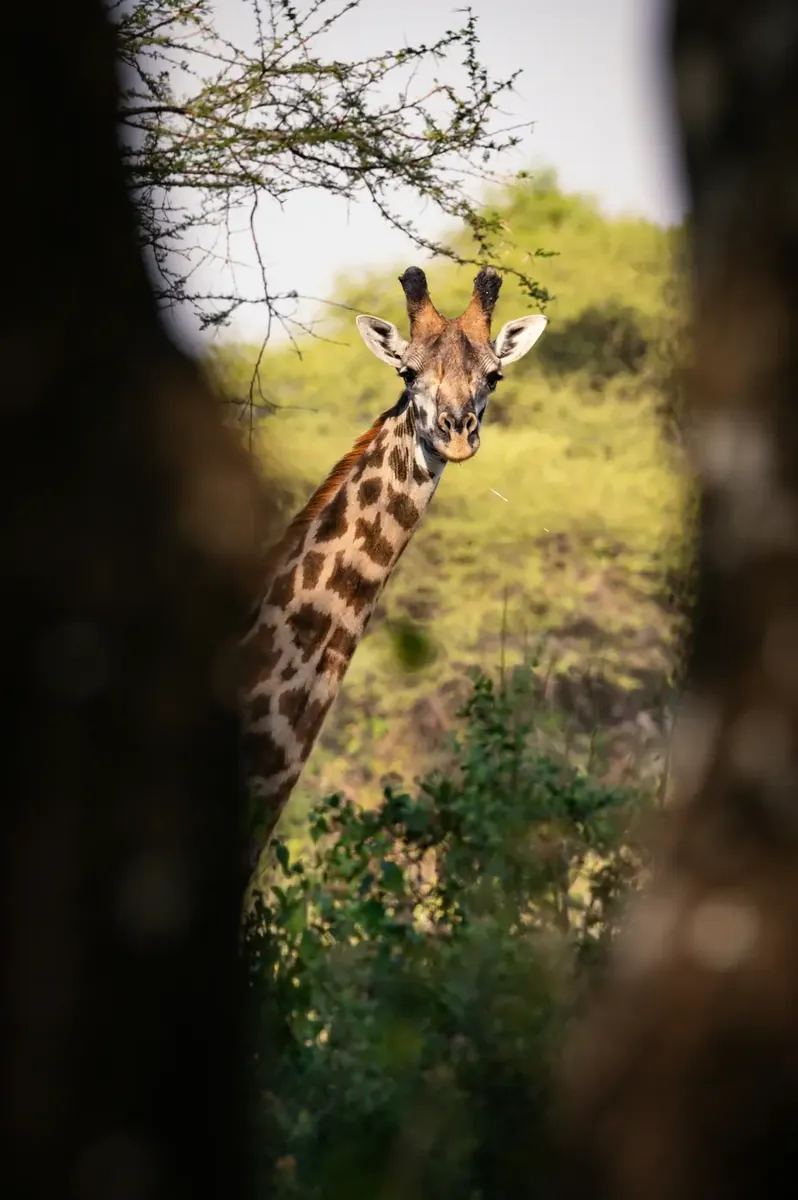
Days are warm and evenings mild; Ngorongoro is the cold one, sitting above 2,200m on the crater rim, where early game drives need a fleece and a windproof layer even in the dry season. Tarangire and the Serengeti are warmer and dustier from July onwards.
Kilimanjaro
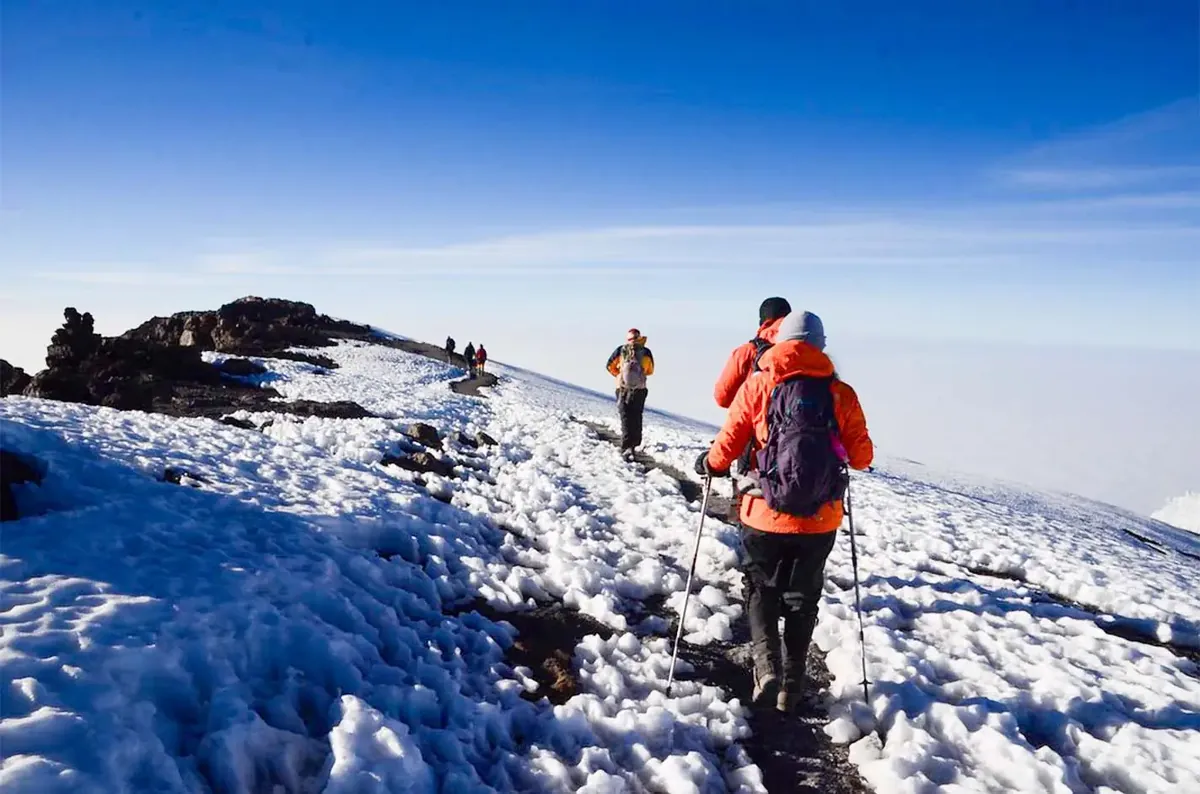
Expect to pass through five climate zones in a week. Rainforest at the gates can be wet in any month, moorland is temperate, and the summit night is well below freezing with wind chill. Route choice matters: the northern approaches sit in the mountain’s rain shadow and stay drier in marginal months.
Zanzibar and the coast
Hot and humid year round, cooled by the ocean breeze. The long rains are the wettest weeks; July to September is dry and breezy, and January to February is hot and calm, which suits diving and dhow days.
What to pack
- Neutral layers for safari, plus one warm layer for the crater rim
- A light waterproof shell in any month
- Proper insulation and windproofs for summit night on Kilimanjaro
- Light, breathable clothing and modest cover for Stone Town
We will send the typical pattern for your exact travel window, along with what it means for road conditions and game viewing.