“A natural amphitheater where the play never ends.”
Imagine standing on the edge of the world, looking down into a bowl 600 meters deep, its rim cloaked in thick highland mist. As you descend the winding roads through the clouds, the mist suddenly clears to reveal an emerald floor teeming with over 25,000 large animals.
This is the Ngorongoro Crater. Often called the “Eighth Wonder of the World,” it is a UNESCO World Heritage Site and a geological marvel. But it is more than just rock and grass; it is a sanctuary. It is one of the few places on earth where you can see the “Big Five” in a single morning, and where Maasai herdsmen graze their cattle alongside wild zebras in a unique harmony that has existed for centuries.
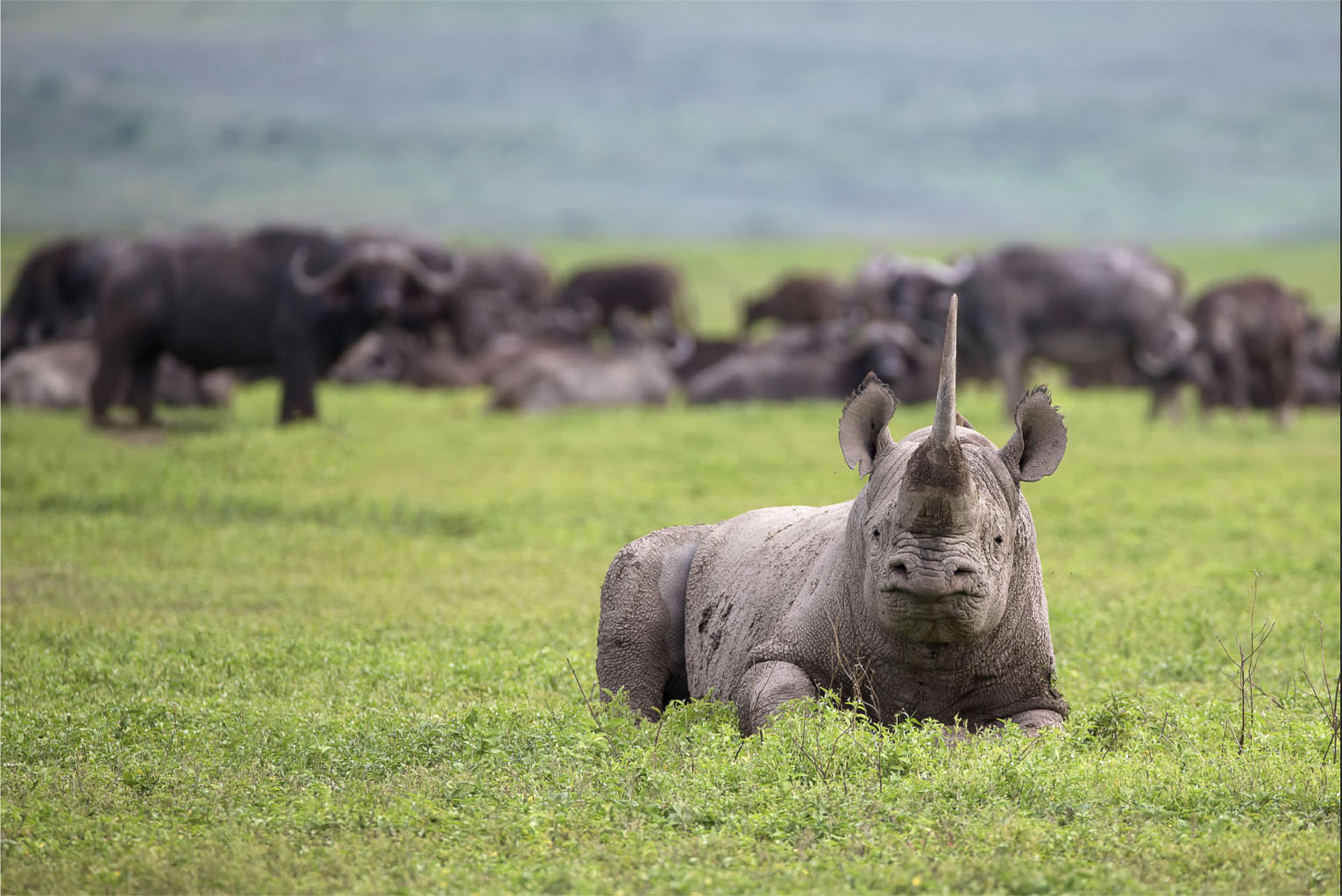
The Black Rhino: The crater floor is the best place in East Africa to spot this critically endangered giant roaming openly.
Highest Predator Density: The crater holds the highest density of lions in the world. You are almost guaranteed to see prides lounging near the tracks or stalking prey.
The Rim Views: At 2,200 meters above sea level, the view from the lodges on the crater rim offers arguably the most spectacular sunrise in Africa.
Cultural Coexistence: Witness a rare relationship where traditional Maasai warriors live and herd cattle within the conservation area, side-by-side with wildlife.
The Crater was formed when a giant volcano—once higher than Kilimanjaro—exploded and collapsed on itself 3 million years ago. Today, the 600-meter high walls create a natural enclosure. Because of this, the wildlife here does not migrate. The ecosystem is self-contained, meaning that whether you visit in the dry season or the green season, the game viewing is consistently intense and abundant.
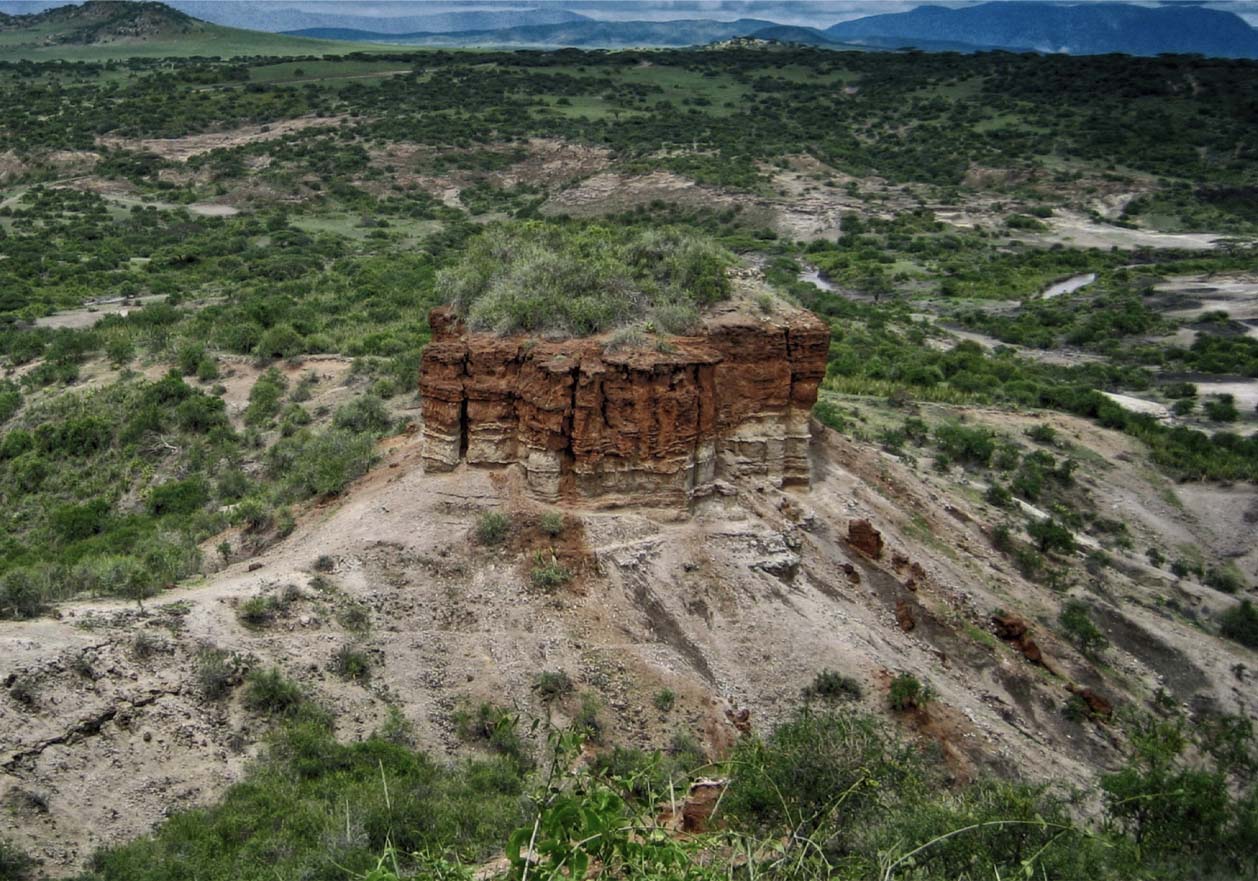
Just west of the Crater lies Olduvai Gorge, one of the most important paleoanthropological sites on earth. This is where Mary and Louis Leakey discovered fossils establishing the early roots of human evolution. A stop here isn’t just a tour; it’s a journey back to the very beginning of our species.